Revolutionizing rigid plastic packaging with environmentally friendly alternatives
Revolutionizing rigid plastic packaging with environmentally friendly alternatives
These days, the packaging industry is undergoing several changes. With changing policies and modern technologies, it has become more transparent, reliable, and sustainable; hence, the packaging industries are evolving rapidly. With the rapid consumer shifts and manufacturing practices, the companies are trying to adapt to the new change, and so, they are constantly working on bringing new trends.
Key Trends in Sustainable Packaging
1. High-Performance PCR Integration
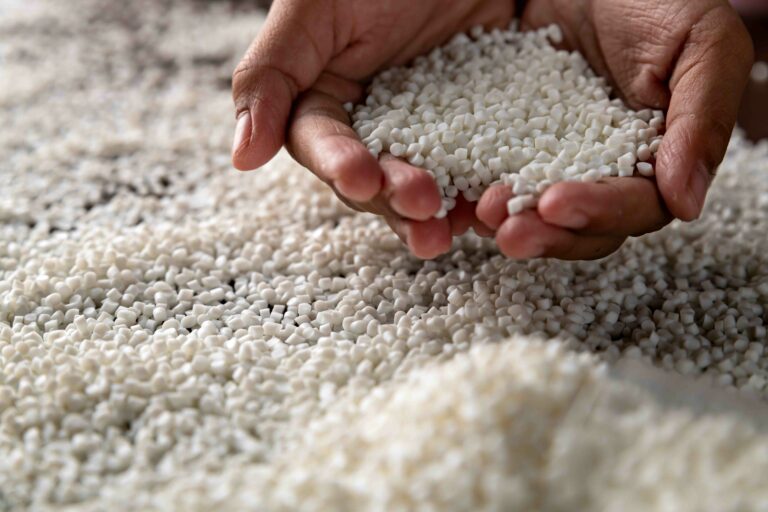
The packaging industry is undergoing significant changes, with one of the most notable being the growing use of post-consumer recycled resins (PCR). Axium Packaging is proud of operating a state-of-the-art recycling facility that processes more than 50 million pounds of high-density polyethylene (HDPE) every year.
Axium Sustainability uses this in a variety of their packaging goods. It includes tubes, bottles, and closures. As a sustainable packaging company, we use 100% PCR content, ensuring the functionality and aesthetic appeal of the product are not compromised. We also keep revolutionizing our packaging norms to reduce carbon footprints.
2. Mono-Material Packaging
One of the best ways to encourage environmentally friendly design is to enhance the simplicity of the material composition. For example, packaging made from only one type of resin, like High-Density Polyethylene (HDPE) or Polypropylene (PP), makes recycling easier. This way, it reduces any kind of contamination in waste streams and makes recycling facilities work more efficiently.
Axium Packaging proudly illustrates this shift towards environmental sustainability by reducing waste that would end up in landfills, using only one type of plastic, and supporting a circular economy by allowing materials to be reused instead of relying on new resources.
3. Light weighting
“Light weighting” is a popular idea in the packaging operations. It simply means using less plastic by using fewer raw materials in operations. Companies have now shifted to using new molding techniques and designs to reach their business goals. For this reason, they are not only making their supply chains more efficient, but they are also making their efforts to be more environmentally friendly.
4. Closed-Loop and Near-Site Manufacturing
One of the best ways to reduce carbon footprints is to use closed-loop and near-site manufacturing. At Axium Packaging, we are proud to have LEED-certified manufacturing plants that are close to suppliers. It helps us promote a closed-loop system where we get recycled materials, process them, and shape them all in one place so that they can be delivered quickly.
This new way of doing things cuts down on the distance we have to drive, which helps us lower our carbon footprint. Overall, this detailed plan helps to set the standard for an eco-friendly environment by making our operations run smoothly and ensuring the sustainability of our supply chain.
5. Minimalism and Responsible Aesthetics
Consumers are showing a growing preference for packaging that has a clean and minimalist aesthetic. At Axium Packaging, we incorporate sleek design elements into our products to enhance their appearance. Our eco-friendly labels are designed to improve overall appearance while promoting sustainability. Every packaging solution we create demonstrates our commitment to both sound design and environmental protection, ensuring our products appeal to individuals who prioritize purchasing environmentally friendly products.
Why Axium Packaging?
Axium Packaging aims to make plastic packaging eco-friendly in every process. We deeply embed sustainable processes in all our operations. It helps the brands achieve their sustainability goals and aids us in minimizing our carbon footprint.
axiumpackaging
.