Packaging Film: Types, Applications, and the Growing Importance of Stretch Film in Modern Industries
Packaging plays a crucial role in today’s global supply chain. From protecting products during transportation to extending shelf life and enhancing brand presentation, packaging materials serve multiple essential functions. Among the wide range of packaging materials available, packaging film has become one of the most widely used and versatile solutions across industries. Whether in food, pharmaceuticals, electronics, construction materials, or consumer goods, packaging film ensures product safety, stability, and efficiency in logistics.
What is Packaging Film?
Packaging film refers to thin, flexible plastic materials used to wrap, cover, seal, or protect products. These films are generally manufactured from polymers such as polyethylene (PE), polypropylene (PP), polyvinyl chloride (PVC), and polyethylene terephthalate (PET). Depending on the application, films may be transparent, opaque, printed, laminated, or coated.
The primary objectives of packaging film are:
Protection from dust, moisture, and contamination
Prevention of product damage during transport
Enhancement of shelf life
Tamper resistance
Improved product presentation
Packaging films can be produced in different thicknesses, widths, and strengths depending on the industry requirements.
Types of Packaging Film
There are several types of packaging films, each designed for specific applications. Some of the most common types include:
1. Stretch Film
Stretch film is a highly stretchable plastic film, commonly made from linear low-density polyethylene (LLDPE). It is primarily used for wrapping pallets and securing products during storage and transportation.
Stretch film works by being stretched tightly around items. Once applied, it attempts to return to its original shape, creating tension that holds the load securely together. This makes it extremely useful for stabilizing goods on pallets.
Stretch film is available in:
Hand stretch film
Machine stretch film
Pre-stretched film
Colored stretch film
UV-resistant stretch film
Its elasticity, tear resistance, and load-retaining capability make it one of the most important industrial packaging materials.
2. Shrink Film
Shrink film is designed to shrink tightly around products when heat is applied. It is widely used for packaging food items, beverages, books, and consumer goods. Once heated, the film conforms closely to the shape of the product, providing a secure and tamper-evident seal.
3. Cling Film
Cling film is commonly used in food packaging. It adheres to surfaces without the need for adhesive, creating an airtight seal that helps preserve freshness.
4. BOPP Film
Biaxially Oriented Polypropylene (BOPP) film is widely used for labeling, wrapping snacks, and packaging consumer products. It offers clarity, strength, and good moisture barrier properties.
5. Laminated Films
These films are made by combining two or more layers of materials to enhance barrier properties, strength, and durability. Laminated films are common in food and pharmaceutical packaging.
Key Properties of Packaging Film
Packaging films are selected based on certain performance characteristics. Some of the key properties include:
Tensile strength
Puncture resistance
Elasticity
Clarity and transparency
Moisture resistance
Chemical resistance
Sealability
For industrial applications, particularly pallet wrapping, stretch film must have high load retention and excellent tear resistance. The right balance between thickness and strength ensures cost efficiency and effective performance.
Stretch Film and Its Industrial Importance
Among all types of packaging films, stretch film has become especially important in logistics and warehouse management. As global trade increases, the need to secure goods during long-distance transportation has grown significantly.
Stretch film is primarily used to:
Secure cartons on pallets
Protect products from dust and moisture
Prevent shifting during transport
Reduce pilferage
Improve warehouse handling efficiency
One of the biggest advantages of stretch film is cost-effectiveness. A relatively small amount of film can secure large loads when applied properly. Modern manufacturing techniques allow production of multi-layer stretch films that provide enhanced strength without significantly increasing thickness.
Machine-applied stretch film has also improved efficiency in large warehouses. Automated wrapping machines ensure uniform tension and reduce material waste.
Environmental Considerations
With increasing awareness about plastic waste and environmental sustainability, the packaging film industry faces growing pressure to adopt eco-friendly practices. Manufacturers are working toward:
Producing thinner yet stronger films
Increasing recycled content in films
Developing recyclable packaging solutions
Reducing overall plastic usage
Stretch film, despite being plastic-based, has certain environmental advantages. Because it is lightweight and strong, it uses less material compared to traditional packaging methods like strapping and bulky protective materials. Additionally, many stretch films are recyclable if properly collected and processed.
However, proper waste management and recycling infrastructure remain critical for minimizing environmental impact.
The Manufacturing Process of Stretch Film
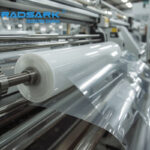
Stretch film is typically manufactured using a cast extrusion process. In this method:
Polymer resins are melted at high temperatures.
The molten material is extruded through a flat die.
The film is rapidly cooled on chilled rollers.
The film is wound into rolls of various widths and thicknesses.
Multi-layer technology allows manufacturers to create films with different functional layers, improving strength, cling, and puncture resistance.
Quality control during manufacturing is essential. Parameters such as elongation, tear resistance, and thickness consistency must meet industry standards.
Applications Across Industries
Packaging films are used in nearly every industrial sector:
1. Food Industry
Used for wrapping fresh produce, frozen foods, snacks, dairy products, and ready-to-eat meals.
2. Pharmaceutical Industry
Ensures product safety, tamper resistance, and moisture protection.
3. Construction Sector
Stretch film is used to wrap tiles, pipes, and building materials for transport.
4. Textile Industry
Protects fabrics and garments from dust and moisture.
5. Electronics Industry
Prevents static damage and protects devices during shipping.
Because of its versatility, packaging film has become indispensable in both manufacturing and distribution systems.
Role of Manufacturers in the Packaging Film Industry
The packaging film sector includes numerous manufacturers who supply films for domestic and international markets. Companies like Tilak Polypack operate in this space, producing various types of packaging films including stretch film. Such manufacturers contribute to the supply chain by focusing on product quality, material innovation, and adherence to industry standards.
In a competitive market, packaging film manufacturers typically differentiate themselves through:
Product consistency
Customization options
Technological advancements
Supply reliability
The presence of multiple manufacturers encourages innovation and ensures competitive pricing within the industry.
Future Trends in Packaging Film
The future of packaging film is shaped by several emerging trends:
Sustainable materials development
Increased automation in wrapping systems
Thinner high-performance films
Smart packaging integration
Improved recycling systems
Research and development efforts are ongoing to create biodegradable or bio-based films without compromising strength and functionality.
In addition, advancements in stretch film technology aim to reduce material usage while improving load stability. This not only lowers costs but also reduces environmental impact.
Conclusion
Packaging film has become a fundamental component of modern industry. Its versatility, efficiency, and protective qualities make it essential across sectors ranging from food and pharmaceuticals to construction and electronics.
Among various types of packaging films, stretch film stands out as a key solution for securing and stabilizing palletized goods. Its strength, elasticity, and cost-effectiveness have made it indispensable in logistics and warehousing.
While environmental concerns present challenges, the industry continues to evolve toward more sustainable practices and improved recycling systems. Manufacturers, including companies such as Tilak Polypack, play a role in meeting growing demand by producing reliable and innovative packaging film solutions.
As global trade expands and supply chains become more complex, the importance of efficient and protective packaging film will only continue to increase. Through technological improvements and responsible production practices, packaging film remains a vital element in ensuring safe, secure, and efficient product distribution worldwide.
This article has been submitted byAtithi Agrawal
.