The Global Packaging Industry: Materials, Technology, Sustainability, and Market Evolution
Why the Packaging Industry Matters More Than Ever
The packaging industry is one of the most essential yet often underestimated pillars of the global economy. Every product that reaches consumers—whether food, beverages, pharmaceuticals, electronics, or industrial goods—depends on packaging for protection, safety, transportation, and communication. Without effective packaging, modern supply chains would collapse, food waste would increase dramatically, and product quality would be difficult to guarantee.
In recent decades, the role of packaging has expanded far beyond basic containment. Today, packaging is a highly technical industry that integrates material science, mechanical engineering, regulatory compliance, branding, sustainability, and digital innovation. As consumer expectations evolve and environmental pressure increases, packaging manufacturers and material suppliers must continuously adapt to new challenges and opportunities.
Overview of the Global Packaging Industry
Market Scale and Economic Importance
The global packaging industry represents a market worth hundreds of billions of US dollars and continues to grow steadily. Demand is driven by population growth, urbanization, international trade, e-commerce expansion, and increasing consumption of packaged food and consumer goods. Packaging is a universal requirement across industries, making it one of the most resilient manufacturing sectors worldwide.
Asia-Pacific has become the largest packaging production region due to strong manufacturing capacity, competitive costs, and rapidly expanding domestic markets. Europe and North America remain technology and regulation leaders, while Latin America, the Middle East, and Africa are experiencing rising demand driven by modernization and infrastructure development.
Key Segments of the Packaging Industry
The packaging industry can be divided into several major segments:
Flexible packaging
Rigid plastic packaging
Paper and paperboard packaging
Metal packaging
Glass packaging
Among these segments, flexible packaging has shown the fastest growth rate. Its lightweight nature, material efficiency, excellent barrier performance, and adaptability to modern filling lines make it a preferred solution for many brand owners.
Packaging Materials and Their Industrial Characteristics
Plastic Packaging Materials
Plastic remains the most versatile and widely used packaging material. Its flexibility, durability, lightweight properties, and cost efficiency make it suitable for a broad range of applications. Common plastic packaging materials include PET, BOPP, CPP, PE, and specialized multilayer structures.
PET (Polyethylene Terephthalate) is particularly important in both rigid and flexible packaging. PET offers excellent transparency, mechanical strength, and gas barrier performance, making it ideal for food, beverage, and personal care applications. PET films are commonly used in laminations, metallized films, and specialty packaging structures.
BOPP and CPP films are widely used for snack packaging, labels, and heat-sealable layers. Their balance of strength, clarity, and processability makes them core materials in flexible packaging.
Multilayer and Functional Packaging Films
Modern packaging increasingly relies on multilayer structures that combine different polymers and coatings. These structures are designed to deliver specific performance characteristics, such as:
Oxygen and moisture barriers
Light and UV protection
Heat sealability
Mechanical strength
Enhanced shelf life
Metallized films, coated films, and high-barrier laminations allow manufacturers to reduce material thickness while maintaining or improving performance. This trend supports both cost efficiency and sustainability goals.
Paper, Metal, and Glass Packaging
Although plastic dominates many applications, paper, metal, and glass continue to play important roles. Paper and paperboard packaging are widely used for secondary packaging and food service applications due to their recyclability and renewable image. Metal packaging offers excellent barrier protection and long shelf life, while glass remains a premium option for beverages and pharmaceuticals.
Major Applications of Packaging
Food and Beverage Packaging
Food and beverage packaging is the largest and most regulated segment of the packaging industry. Packaging must protect products from contamination, preserve freshness, extend shelf life, and comply with strict food safety standards. Flexible packaging films, rigid containers, aseptic packaging, and vacuum-sealed solutions are all widely used.
In addition to protection, packaging plays a critical role in branding and consumer communication. Design, transparency, convenience features, and sustainability claims strongly influence purchasing decisions.
Pharmaceutical and Medical Packaging
Pharmaceutical packaging requires high levels of precision, traceability, and regulatory compliance. Materials must protect products from moisture, oxygen, and light while ensuring patient safety. Blister packs, sachets, bottles, and sterile medical packaging are essential components of healthcare supply chains.
Industrial and Agricultural Packaging
Industrial packaging includes stretch films, shrink films, bulk bags, and protective wraps used to transport and store raw materials and finished goods. Agricultural packaging includes greenhouse films, mulch films, and protective coverings that improve crop yield, efficiency, and environmental control.
Technological Innovation in the Packaging Industry
Advances in Film Manufacturing
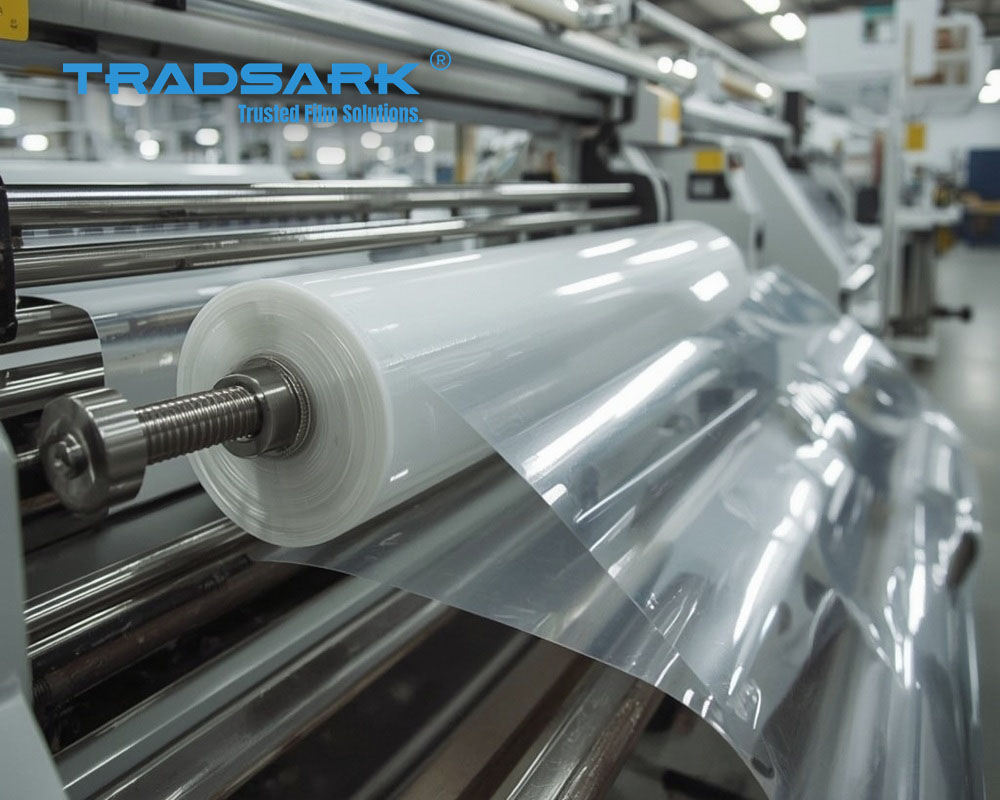
Packaging film manufacturing has evolved rapidly due to advances in extrusion, orientation, coating, and metallization technologies. Modern production lines can achieve higher output, improved consistency, and reduced material usage. These advancements allow manufacturers to meet performance requirements while lowering environmental impact.
Digital Printing and Customization
Digital printing has transformed packaging design and production. It enables short production runs, rapid design changes, and variable data printing. Brands can now personalize packaging, run limited editions, and adapt designs for regional markets without high setup costs.
Smart and Functional Packaging
Smart packaging technologies integrate QR codes, RFID, NFC, and sensors to improve traceability, anti-counterfeiting, and consumer engagement. Functional packaging may also include antimicrobial coatings, freshness indicators, or temperature-sensitive labels, enhancing safety and transparency across the supply chain.
Sustainability Challenges and Industry Responses
Environmental Pressure on Packaging
Environmental sustainability is one of the most significant challenges facing the packaging industry. Concerns about plastic waste, marine pollution, and carbon emissions have led to increased scrutiny from governments, consumers, and NGOs.
Packaging companies must balance performance, safety, cost, and sustainability—a complex challenge that requires innovation rather than simple material replacement.
Sustainable Packaging Strategies
Key sustainability strategies in the packaging industry include:
Lightweighting and material reduction
Design for recyclability
Increased use of mono-material structures
Incorporation of recycled content
Development of bio-based and compostable materials
Flexible packaging, when properly designed and collected, can offer a lower carbon footprint compared to heavier rigid packaging due to reduced material use and transportation efficiency.
Regulations and Compliance
Governments worldwide are introducing regulations such as Extended Producer Responsibility (EPR), recycling targets, and restrictions on certain materials. These regulations are reshaping packaging design and accelerating the transition toward circular economy models.
The Role of Packaging Material Suppliers
Packaging material suppliers play a critical role in enabling innovation and sustainability. By developing advanced films, improving production efficiency, and ensuring regulatory compliance, material suppliers support converters and brand owners across global markets.
Companies such as Tradsark, operating in the packaging materials sector, supply flexible packaging films used in food, consumer goods, and industrial applications. By focusing on consistent quality, process control, and international standards, such companies contribute to stable and efficient packaging supply chains.
Rather than acting solely as material providers, modern packaging suppliers increasingly serve as technical partners, helping customers optimize structures, reduce material usage, and meet regulatory and sustainability requirements.
Quality, Safety, and International Standards
Food Contact and Industrial Compliance
Packaging materials intended for food contact must comply with strict international regulations, including FDA standards, EU food contact regulations, and ISO quality management systems. Quality assurance, traceability, and documentation are essential throughout the production process.
Testing and Certification
Packaging materials undergo extensive testing for mechanical strength, barrier performance, migration limits, and chemical safety. Certifications and third-party audits build trust between suppliers, brand owners, and end users, particularly in highly regulated industries.
Global Supply Chains and Market Dynamics
International Trade and Logistics
The packaging industry operates within highly globalized supply chains. Raw materials, machinery, films, and finished packaging products often cross multiple borders. Efficient logistics, reliable suppliers, and diversified sourcing strategies are increasingly important in managing risk and ensuring continuity.
Challenges and Opportunities
Energy costs, geopolitical tensions, and supply chain disruptions have increased uncertainty across global markets. At the same time, emerging economies present significant growth opportunities for packaging manufacturers and material suppliers willing to invest in local partnerships and technical support.
Future Trends in the Packaging Industry
Circular Economy and Recycling Innovation
The future of packaging will be shaped by circular economy principles. Improved recycling technologies, chemical recycling, and better waste collection systems will play key roles in closing the material loop.
Automation and Industry 4.0
Automation, data analytics, and artificial intelligence are improving efficiency, quality control, and predictive maintenance in packaging production. Smart factories enable higher output with lower waste and energy consumption.
Consumer-Centric Packaging Design
Future packaging solutions will increasingly focus on convenience, accessibility, and transparency. Easy-open features, clear labeling, and informative packaging will become standard expectations rather than optional features.
Conclusion: Packaging as a Strategic Global Industry
The packaging industry is far more than a supporting function for consumer goods. It is a strategic global industry that enables food security, healthcare, trade, and economic development. As sustainability expectations rise and technology advances, packaging companies must remain innovative, responsible, and adaptable.
By investing in advanced materials, efficient production, and sustainable design, the packaging industry will continue to meet the demands of a changing world. Companies operating in the packaging materials sector, including Tradsark, are part of this ongoing transformation, supporting safer, more efficient, and more sustainable packaging solutions for global markets.
This article has been submitted byElla Zhu
.