How to Choose the Right ATEX Camera for Your Hazardous Work Zone
Understanding ATEX Certifications
Before purchasing an ATEX camera, it is essential to understand what the certification means. ATEX is a European directive that governs equipment used in explosive atmospheres. Cameras must be classified according to zone ratings — Zone 0, 1, or 2 for gas environments and Zone 20, 21, or 22 for dust environments. Choosing a camera with the appropriate zone rating for your site is non-negotiable.
Assess the Hazard Level of Your Environment
Every hazardous area is different. An oil refinery presents different risks than a chemical processing plant or a grain storage facility. Conduct a thorough hazard assessment to identify flammable gases, vapours, mists, or combustible dusts present in your facility. This assessment will directly inform which ATEX equipment category and group classification is required.
Evaluate Camera Features and Functionality
Not all ATEX cameras offer the same capabilities. Consider the resolution you need for clear footage, whether PTZ (pan-tilt-zoom) functionality is required, night vision or infrared support for low-light areas, and weatherproofing ratings for outdoor installations. A camera that meets ATEX standards but lacks the imaging quality needed for surveillance or process monitoring may prove ineffective.
Consider Housing and Build Quality
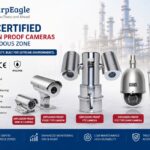
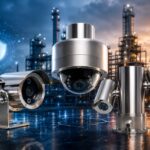
The camera’s enclosure plays a vital role in maintaining safety. ATEX cameras are typically housed in flameproof or explosion-proof enclosures designed to contain any internal ignition and prevent it from reaching the surrounding atmosphere. Look for robust stainless steel or aluminium housings with high IP (Ingress Protection) ratings to ensure the camera withstands harsh industrial conditions.
Integration with Existing Systems
A new ATEX camera should integrate seamlessly with your existing CCTV infrastructure, network video recorders, or monitoring systems. Check compatibility with your VMS (Video Management Software) and confirm whether the camera supports standard protocols like ONVIF. Smooth integration reduces installation costs and operational disruptions.
Seek Expert Guidance and Certifications
Always purchase ATEX cameras from reputable manufacturers who provide full documentation of certifications, test reports, and installation guidelines. Working with a certified ATEX equipment supplier or consultant ensures you receive professional advice tailored to your facility’s specific needs. Do not compromise on certification authenticity — use only cameras that carry verifiable ATEX and IECEx markings.
Final Thoughts
Choosing the right ATEX camera is about more than simply meeting regulatory requirements. It is about ensuring continuous visibility and safety across your hazardous work zone. Take the time to assess your environment thoroughly, match the camera to the zone classification, and invest in quality equipment from trusted suppliers.
For more details visit : https://www.sharpeagle.uk/product/explosion-proof-digital-camera
SharpEagle Technology
.