Skincare Product Packaging Market to Reach USD 32.4 Million by 2036, Driven by Sustainable Packaging and Convenient Beauty Solutions
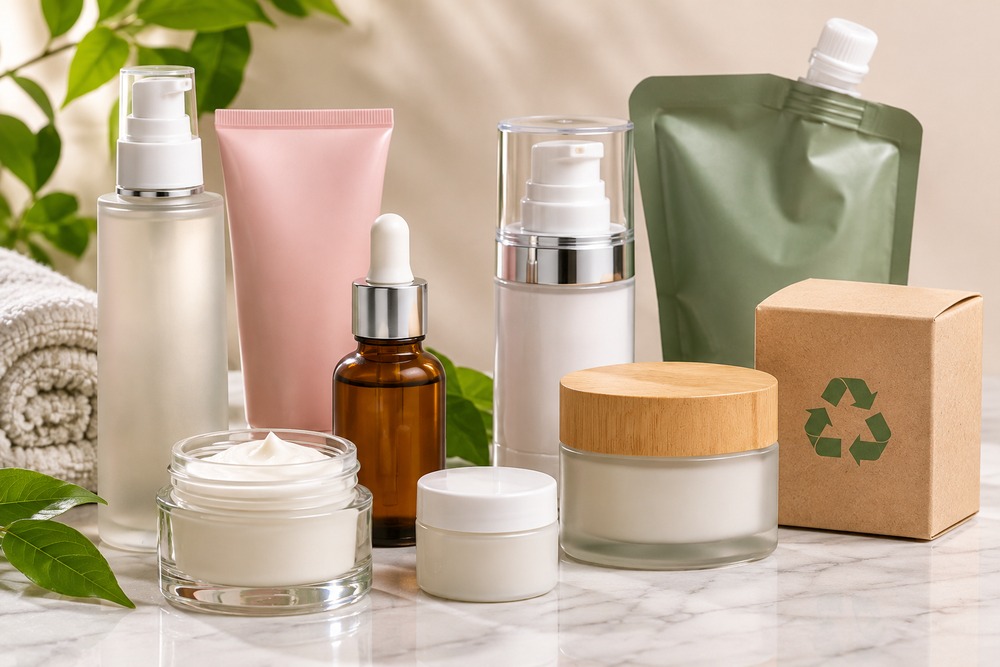
The global skincare product packaging market is witnessing steady transformation as beauty and personal care brands increasingly prioritize sustainability, product protection, convenience, and premium presentation. Packaging has evolved beyond its traditional role of containing skincare formulations to become an important element of brand identity, consumer experience, and environmental responsibility. Growing demand for moisturizers, serums, cleansers, lotions, and other skincare products is encouraging manufacturers to develop innovative packaging solutions that combine functionality with attractive designs.
The global skincare product packaging market was valued at USD 19.3 million in 2025 and is projected to reach USD 32.4 million by 2036, expanding at a CAGR of 4.8% from 2026 to 2036. Increasing consumer preference for sustainable packaging and convenient beauty routines is supporting market expansion.
Packaging manufacturers are increasingly investing in lightweight containers, recyclable materials, refillable systems, airless bottles, and advanced dispensing technologies. These developments are helping skincare brands improve formulation protection, reduce material consumption, and differentiate their products in competitive retail environments.
Market Growth Drivers
Growing Demand for Sustainable Skincare Packaging
Increasing environmental awareness and the need to reduce packaging waste are major factors driving the skincare product packaging market. Beauty brands are increasingly exploring recyclable, reusable, refillable, and lightweight packaging alternatives to minimize their environmental footprint while maintaining product quality and visual appeal.
Skincare formulations often require specialized packaging to protect ingredients from contamination, air exposure, light, and leakage. Consequently, manufacturers are developing innovative bottles, jars, tubes, and dispensing systems using recycled materials, mono-material structures, and simplified packaging components.
In 2022, the European Union generated approximately 186.5 kg of packaging waste per person, highlighting the importance of resource-efficient packaging solutions. Furthermore, global plastic waste was estimated at approximately 400 million tonnes in 2024, encouraging manufacturers to explore sustainable materials and circular packaging models.
Increasing Demand for Convenient Beauty Routines
Changing lifestyles and growing demand for convenient personal care products are encouraging innovation in skincare packaging. Consumers increasingly prefer packaging that is portable, easy to handle, hygienic, and capable of delivering precise product quantities.
Airless pumps, squeeze tubes, flip-top bottles, compact containers, and dispensing systems are gaining importance because they simplify product application and storage. These formats also help minimize leakage, contamination, and unnecessary product wastage.
The expansion of urban populations and changing consumer lifestyles are further supporting demand for convenient skincare packaging. According to the United Nations, cities were home to approximately 45% of the global population in 2025. Urban consumers often seek practical skincare solutions suitable for commuting, travel, and everyday routines.
Packaging suppliers are responding by developing ergonomic designs, compact formats, and advanced dispensing technologies that improve consumer experience while maintaining product integrity.
Market Trends and Opportunities
Growing Adoption of Refillable and Recyclable Packaging
The increasing focus on circular packaging is creating significant opportunities for manufacturers. Skincare brands are adopting refillable containers, reusable outer packaging, recyclable bottles, and lightweight refill pouches to reduce packaging material consumption.
Refillable systems are particularly relevant for frequently purchased products such as moisturizers, cleansers, lotions, and serums. These systems allow consumers to retain durable outer containers while replacing the product through refill components.
Manufacturers are also investing in mono-material packaging and simplified component structures to improve recyclability. Packaging suppliers that combine environmental performance with durability, product compatibility, and attractive aesthetics are likely to gain a competitive advantage.
According to UNEP, global plastic waste could nearly triple to approximately 1.2 billion tonnes by 2060 if current trends continue. This creates opportunities for innovative packaging solutions that support material efficiency, reuse, and improved waste management.
Advancements in Airless and Precision Dispensing Technologies
Technological advancements in dispensing systems are creating new growth opportunities in the skincare product packaging industry. Airless packaging is increasingly relevant for formulations that require protection from air exposure and contamination.
Advanced pumps, droppers, and precision dispensing systems allow consumers to control product quantities while improving hygiene and application efficiency. These solutions are particularly suitable for premium skincare products, serums, eye creams, and specialized formulations.
Packaging manufacturers are also developing reloadable and refillable dispensing systems that combine premium aesthetics with reduced material consumption. Such innovations allow beauty brands to enhance product differentiation while addressing sustainability expectations.
E-commerce and Premiumization Supporting Packaging Innovation
The expansion of online beauty retail is increasing the importance of durable and protective skincare packaging. Products sold through e-commerce channels require packaging that can withstand transportation, handling, and distribution while maintaining their appearance and functionality.
Premiumization is another important trend influencing packaging design. Brands are investing in distinctive bottles, jars, customized closures, attractive finishes, and innovative dispensing mechanisms to improve shelf appeal and strengthen brand recognition.
The convergence of sustainability, premium aesthetics, and functional design is expected to encourage continued innovation across the market.
Market Segmentation Overview
By Product Type: Rigid Packaging Dominates
Rigid packaging dominated the global skincare product packaging market in 2025, accounting for approximately 62.7% of total market revenue. Its leading position is supported by structural strength, durability, product protection, and suitability for premium product presentation.
Bottles, jars, cans, tubs, cups, compacts, and boxes are widely used across skincare applications. These formats provide reliable storage and protection for creams, lotions, cleansers, and serums.
Flexible packaging, including pouches, tubes, films, and wraps, offers advantages such as portability, lightweight construction, and material efficiency. Semi-rigid packaging provides a balance between structural durability and design flexibility.
By Material and Packaging Stage
Plastics represent an important material category due to their versatility, lightweight characteristics, durability, and compatibility with different packaging formats. Polyethylene, polypropylene, and polyethylene terephthalate are commonly used materials.
Paper and paperboard, glass, metal, and composite materials also contribute to packaging development. Demand for recycled content and recyclable structures is encouraging material innovation across these categories.
By packaging stage, the market includes primary, secondary, and tertiary packaging. Primary packaging directly contains skincare formulations, while secondary and tertiary packaging support product presentation, protection, storage, and transportation.
Regional Outlook
Asia Pacific Leads the Global Market
Asia Pacific dominated the global skincare product packaging market in 2025, accounting for approximately 37.2% of total revenue. The region benefits from increasing skincare consumption, expanding beauty and personal care industries, growing e-commerce activity, and strong packaging manufacturing capabilities.
Countries such as China, India, Japan, South Korea, and Australia represent important markets for skincare packaging manufacturers. Increasing demand for moisturizers, facial cleansers, serums, and other personal care products is encouraging the development of diverse packaging formats.
North America and Europe also represent significant markets, supported by established beauty brands, advanced packaging technologies, and increasing emphasis on sustainable materials. Regulatory requirements and environmental initiatives are encouraging manufacturers to improve recyclability, reduce packaging waste, and introduce refillable solutions.
Latin America and the Middle East and Africa offer additional opportunities as beauty product consumption, retail networks, and local packaging capabilities expand. Demand across these regions is influenced by affordability, product positioning, distribution requirements, and consumer preferences.
Competitive Landscape
The global skincare product packaging market is characterized by the presence of established packaging manufacturers focusing on product innovation, sustainability, advanced dispensing technologies, and strategic collaborations.
Prominent companies operating in the market include Albéa, Amcor plc, APC Packaging, AptarGroup Inc., Baralan International, Berry Global Group, Cosmopak, EPOPACK, FusionPKG, Gerresheimer AG, HCP Packaging, Libo Cosmetics, PKG Group, Quadpack, and Silgan Dispensing.
Companies are strengthening their product portfolios through investments in refillable packaging, airless dispensing systems, recyclable materials, and customized packaging solutions.
Recent innovations from Aptar Beauty, including advanced auto-loading droppers and reloadable airless packaging developed for premium skincare applications, demonstrate the growing importance of precision dispensing, formula protection, and material efficiency. Such developments reflect the industry’s focus on combining consumer convenience with sustainable packaging design.
Future Outlook
The skincare product packaging market is expected to experience steady growth through 2036 as beauty brands increasingly focus on sustainability, convenience, product protection, and premium consumer experiences. Growing adoption of refillable packaging, recyclable materials, lightweight containers, and advanced dispensing technologies will create opportunities for manufacturers.
Asia Pacific is expected to remain an important regional market, while rigid packaging will continue to benefit from its durability and suitability for diverse skincare formulations.
As consumer expectations and environmental priorities evolve, packaging manufacturers that successfully integrate innovative designs, sustainable materials, efficient manufacturing, and functional dispensing systems will be better positioned to capitalize on emerging opportunities in the global skincare product packaging market.
Read More: https://www.transparencymarketresearch.com/skincare-product-packaging-market.html
This article has been submitted bySandeep
.