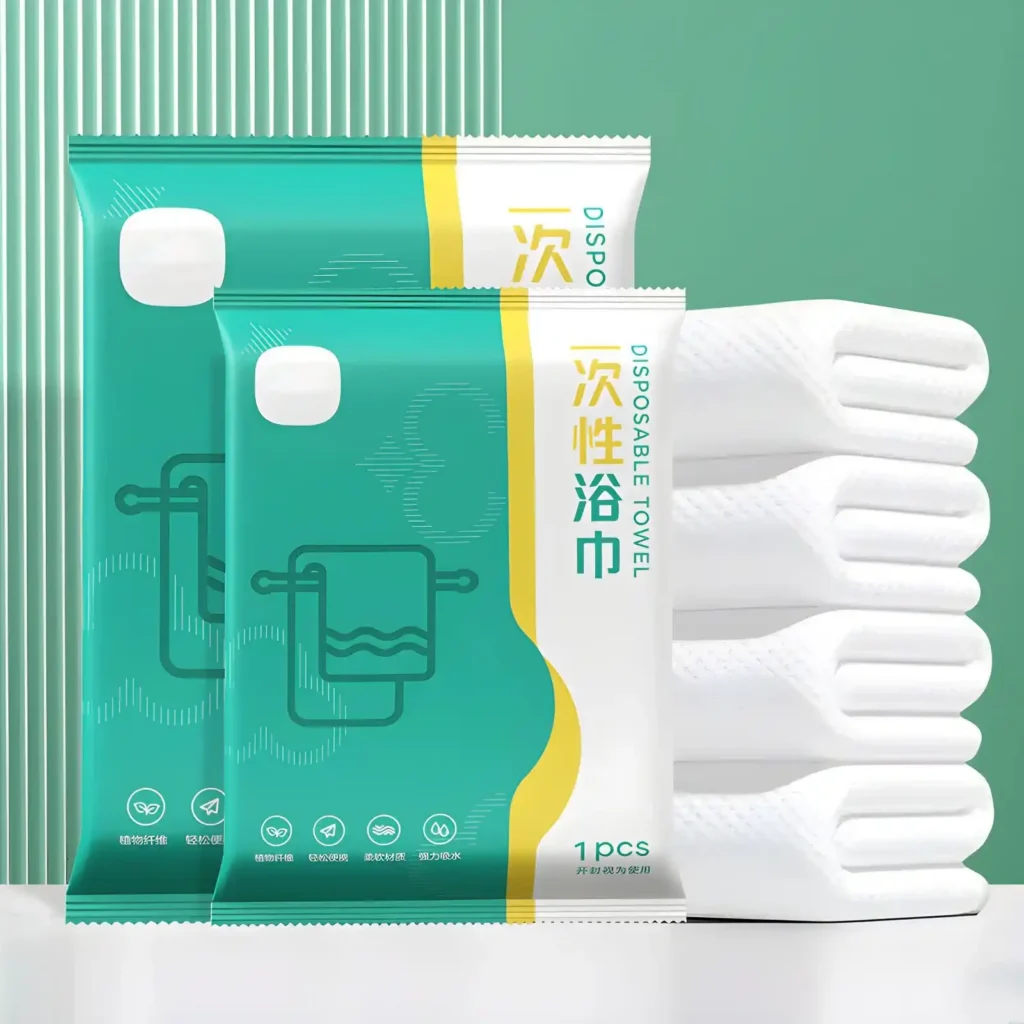
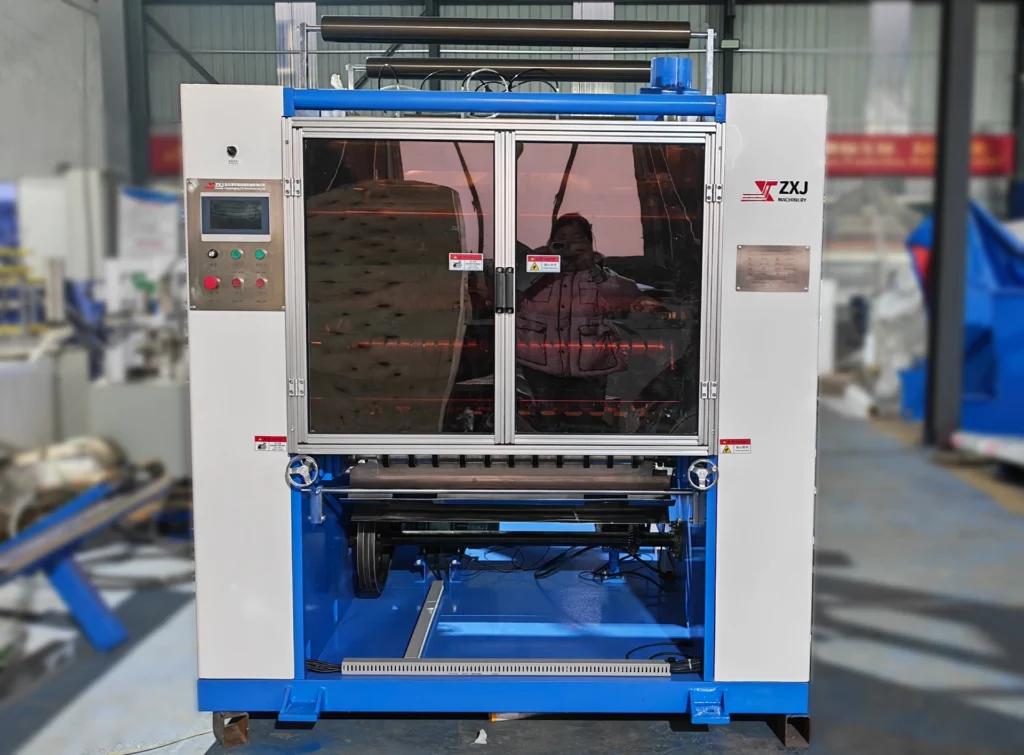
Why Stack Transfer Design Matters in Non-Woven Towel and Wet Wipe Packaging Lines
In non-woven towel and wet wipe converting lines, the folding section often receives most of the attention. Fold style, sheet length and production speed are important, but stack transfer design can have just as much influence on the final pack quality. A line may fold accurately and still create poor output if the stack is unstable before wrapping or bagging.
Stack transfer is the point where individual folded sheets become a controlled bundle. During this short step, the line must maintain count accuracy, stack alignment, compression consistency and timing with the downstream wrapper. If the transfer is not stable, operators may see leaning stacks, loose corners, double feeds, rejected packs or inconsistent bag appearance. These issues are sometimes blamed on the wrapper, but the root cause can be earlier in the transfer and counting section.
The first variable to study is sheet behavior. A dry non-woven towel may have more bulk and surface friction than a wet wipe substrate. Embossed materials may trap air between layers. Very soft materials can deform during pushing or compression. When the stack is moved too aggressively, the layers may slide or curl. When the movement is too slow, the upstream folding section may lose rhythm and reduce output.
Counting accuracy also depends on how the line separates one stack from the next. In many applications, a counting finger, gate, servo pusher or temporary clamp is used to define the stack quantity. The design should be matched to the target count range. A machine built only for small packs may not handle tall stacks well without additional support. A line intended for large bulk packs may need a different compression profile so the stack does not expand before wrapping.
Another important factor is the relationship between stack height and package format. A soft pack requires a stack that is square enough to enter the film or bag without catching an edge. A carton or sleeve pack may need tighter control of width, height and corner shape. If the downstream packaging format changes frequently, the transfer section should be easy to adjust through recipes or mechanical guides.
For wet wipe and towel manufacturers, hygiene and maintenance should also be considered. Transfer components are close to product contact areas, so they should be accessible for cleaning. Belts, guides and pushing surfaces need to be selected with both durability and sanitation in mind. When the machine is difficult to clean, production teams may lose more time in changeovers and maintenance than they expected from the original equipment quote.
A good stack transfer design is usually the result of testing real material samples. The same machine concept can behave differently with spunlace non-woven, airlaid paper, laminated wipes or other disposable sheet materials. Manufacturers should test at practical production speeds, not only at low demonstration speeds. They should also observe stack quality after the wrapper, because some transfer problems only become visible once the product is packed.
When comparing folding and packaging lines, buyers can ask several practical questions: How is the stack counted? How is one stack separated from the next? What happens if the material is soft, slippery or highly embossed? How many stack heights can be saved as recipes? How fast can operators change guides and compression settings? These questions help reveal whether the machine is designed for a real production environment or only for a narrow sample condition.
Reliable stack transfer improves more than appearance. It can reduce rework, reduce film waste, prevent machine stoppages and make production speed more predictable. It also makes it easier to train operators because the line behaves consistently from one shift to the next.
ZXJ Machinery shares practical notes on folding, counting, stacking and packaging equipment for disposable sheet products at https://www.zxjmachinery.com/blog/ . For manufacturers planning a new non-woven towel or wet wipe packaging line, stack transfer should be evaluated as a core part of the specification rather than as a small detail after the folder and wrapper have already been selected.
Paul Ton
.