PFAS-Free Greaseproof Paper Export: Why Folding Accuracy Matters for Pop-Up Sheets
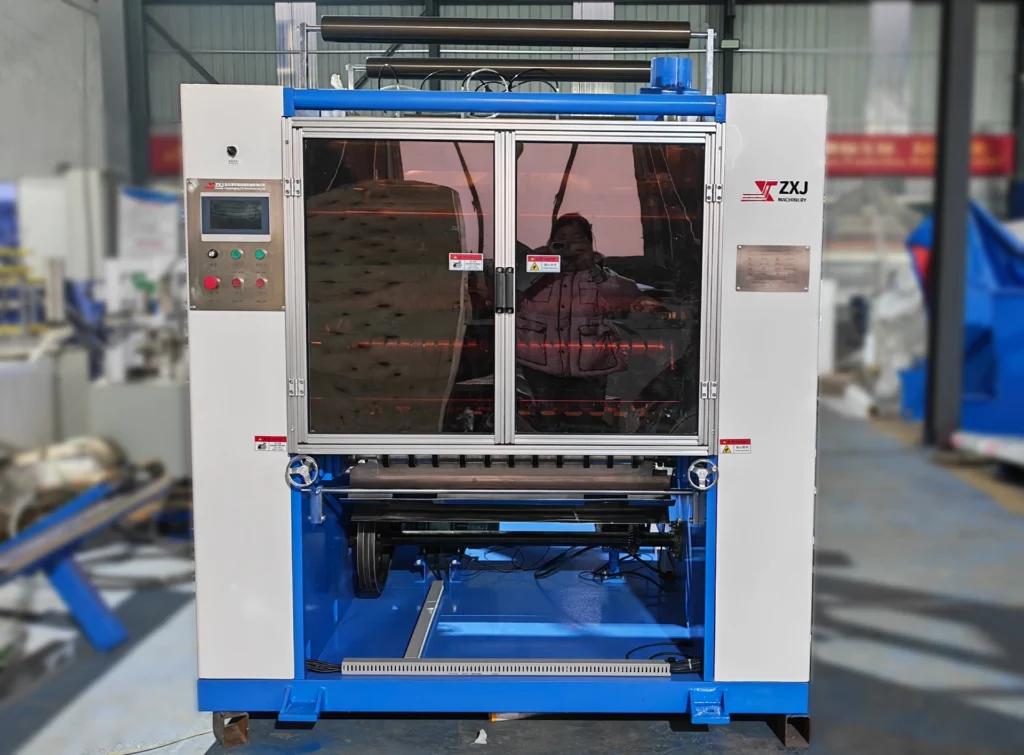
Foodservice packaging buyers are paying closer attention to PFAS-free greaseproof paper, silicone paper and deli paper. Regulations and brand requirements are pushing many converters to review not only the paper coating but also the converting equipment used to turn roll material into folded pop-up sheets. A good sheet is not defined by coating alone. It must also dispense cleanly, stack evenly and fit the carton or retail pack without curling or jamming.
Pop-up greaseproof paper is usually made from roll-fed material that is folded, cut and stacked into interleaved or easy-pick formats. In bakeries, burger shops, delis and quick-service restaurants, workers need one sheet at a time. If the fold is inaccurate, sheets may stick together, pull out in groups or sit unevenly inside the box. That creates waste and slows down service.
The first specification to confirm is material type. Silicone paper, wax paper and PFAS-free greaseproof paper can behave differently during unwinding and folding. Some grades are stiffer; others curl more easily after coating. A folding line needs stable web tension so the sheet does not drift before it reaches the folding section. Poor tension control can create skewed folds and uneven stacks, especially when running narrow foodservice sheet sizes.
Sheet size is the next decision. Foodservice users often need different formats for burgers, sandwiches, bakery trays, basket liners or deli counter paper. The folding machine should be specified around the unfolded sheet size, finished folded profile and box dimensions. If the finished stack is too tall, the carton may bulge; if it is too loose, sheets can slide inside the dispenser. The right size is a packaging decision as much as a converting decision.
Folding accuracy becomes more important as speed increases. At high output, small alignment errors repeat quickly and can affect thousands of sheets before an operator notices. Buyers should ask how the machine controls web alignment, fold position, cutting length and stack discharge. Touchscreen control, servo adjustment and stable frame design can all reduce the amount of manual correction needed during production.
The export market adds another layer of requirements. A converter selling PFAS-free paper to overseas foodservice customers may need consistent product appearance across repeat orders. Restaurants and distributors do not want visible size variation between cartons. For this reason, equipment selection should include a discussion of tolerance, sample testing and how quickly operators can change from one sheet format to another.
Packaging integration should also be considered early. Pop-up sheets are often boxed after folding and stacking. The stack height, sheet count and fold direction must match the carton opening. If the sheet pulls in the wrong direction or the stack compresses too tightly, the user experience suffers even when the paper itself is compliant. Converters should test dispensing behavior before finalizing mass production.
For teams evaluating this process, ZXJ Machinery has published a guide to the silicone paper folding machine for PFAS-free greaseproof paper export. The article discusses pop-up sheet production, export demand and the equipment considerations behind stable folding and dispensing.
As PFAS-free food packaging grows, converters will need more than compliant raw material. They will need reliable converting lines that can produce clean folds, consistent stacks and user-friendly dispensing. The most successful projects define the sheet format, paper grade, stack count and carton requirements together before the machine is built.
Paul Ton
.