Molded Fiber Packaging Market to Reach USD 13.1 billion by 2033
Packaging choices across industries are being reshaped by environmental priorities, regulatory pressure, and evolving consumption patterns. As businesses move away from plastic-based solutions, molded fiber packaging has emerged as a practical and environmentally responsible alternative. Produced from recycled paper, cardboard, and agricultural residues, molded fiber packaging supports circular economy goals while delivering reliable performance across applications.
According to Research Intelo, the global molded fiber packaging market was valued at USD 6.4 billion in 2024. The market is projected to reach USD 13.1 billion by 2033, expanding at a CAGR of 8.2% during the forecast period. This strong growth outlook reflects the increasing adoption of fiber-based packaging solutions across food, electronics, healthcare, and consumer goods industries.
What Exactly Is Molded Fiber Packaging?
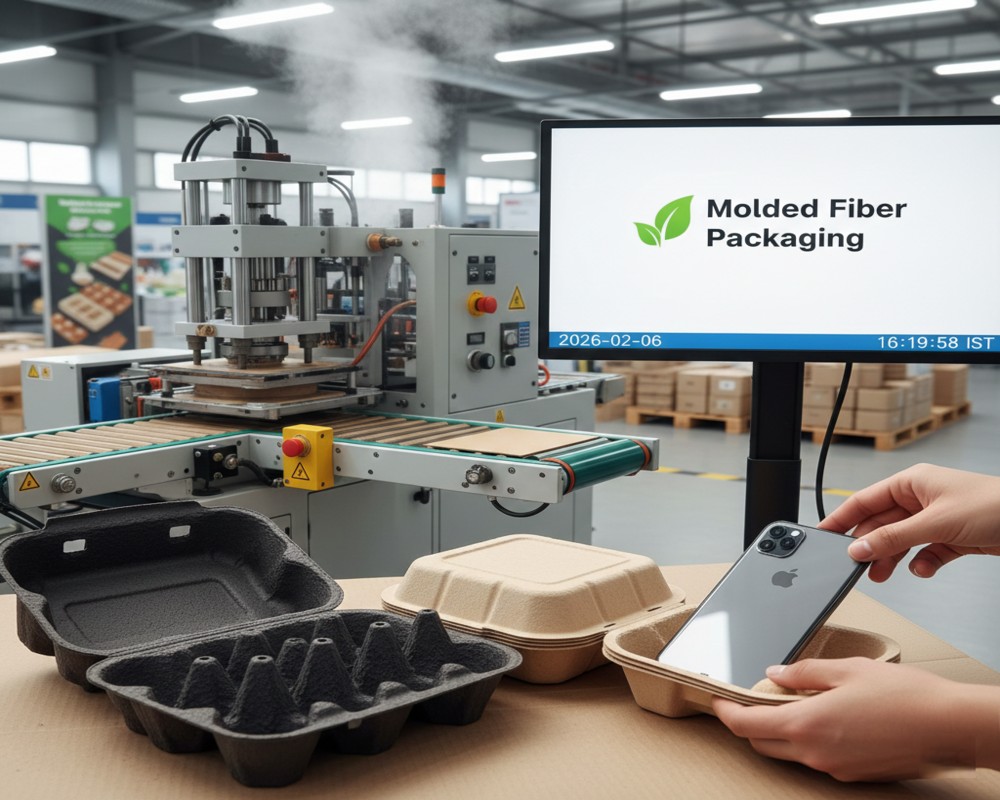
Molded fiber packaging refers to packaging products manufactured by forming pulp fibers into specific shapes using customized molds. The raw materials typically include recycled newspapers, corrugated cardboard, wood pulp, and natural fibers such as bagasse and bamboo.
Based on manufacturing processes, molded fiber packaging ranges from coarse, cushioning structures to smooth, high-precision products with enhanced visual appeal. Common applications include egg cartons, food trays, drink carriers, protective inserts for electronics, and disposable tableware. These products combine structural integrity with environmental compatibility, making them suitable for both protective and consumer-facing packaging.
How Has the Molded Fiber Packaging Market Evolved Over Time?
The molded fiber packaging market initially focused on basic protective solutions, particularly for egg packaging and fragile goods. Early products prioritized functionality over appearance and were largely limited to low-cost applications.
Over time, advancements in molding techniques, material refinement, and surface finishing expanded the scope of molded fiber packaging. Its use extended into food service, healthcare packaging, and branded consumer products. In recent years, restrictions on single-use plastics and increased corporate commitments to eco-friendly packaging have accelerated this transition. Molded fiber packaging has evolved from a niche solution into a globally recognized packaging material.
What Are the Key Growth Drivers in the Molded Fiber Packaging Market?
1. Shift Towards Eco-Friendly Packaging Solutions:
The global move toward environmentally responsible packaging is a primary driver of market growth. Regulatory initiatives aimed at reducing plastic waste, combined with rising awareness of environmental impact, have encouraged the adoption of biodegradable and recyclable materials. Molded fiber packaging aligns well with these objectives, offering reduced carbon emissions and improved end-of-life disposal outcomes.
As a result, industries such as food and beverage, electronics, healthcare, and consumer durables are increasingly integrating molded fiber packaging into their supply chains.
2. Advancements in Technology and Automation:
Technological innovation has significantly enhanced the quality and scalability of molded fiber products. Precision molding, robotics, and computer-aided design have improved dimensional accuracy and product consistency. Automation has also reduced production costs and enabled manufacturers to meet rising demand for complex and customized packaging formats.
In parallel, developments in fiber processing, including the use of lightweight and high-strength fibers, are expanding the application range of molded fiber packaging beyond traditional uses.
3. Shifts in End-user Demand and Consumer Lifestyles:
Growing preference for compostable and recyclable packaging is reshaping end-use demand. The food and beverage sector has seen strong uptake of molded fiber trays, clamshells, cups, and containers as brands respond to changing consumer expectations and regulatory requirements.
The rapid growth of e-commerce and home delivery services has further increased demand for packaging that is lightweight, durable, and environmentally responsible. Molded fiber solutions meet these requirements while reducing material waste.
4. Regulatory Support and Government Incentives:
Regulatory frameworks targeting plastic reduction continue to support market expansion. Policies such as the European Union’s Single-Use Plastics Directive, along with similar initiatives in North America and Asia, are accelerating the shift toward fiber-based alternatives.
In addition, government incentives, subsidies, and tax benefits for sustainable materials and manufacturing technologies are encouraging industry investment. These measures promote innovation and enable wider market participation.
What Challenges Affect the Molded Fiber Packaging Market?
Despite strong growth prospects, the market faces several challenges. Price volatility in raw materials such as wood pulp, recycled paper, and non-wood fibers can affect production costs and profit margins. Smaller manufacturers are particularly vulnerable to supply chain fluctuations.
Regulatory inconsistencies and the lack of standardized product specifications across regions also pose barriers to market entry. Addressing these challenges requires proactive supply chain management, regulatory compliance strategies, and industry collaboration.
Which Product Types Dominate the Molded Fiber Packaging Market?
• Thick-Wall Molded Fiber Products
Thick-wall molded fiber packaging is commonly used in heavy-duty applications. These products offer excellent shock absorption and structural strength, making them suitable for industrial components, automotive parts, and consumer durables that require enhanced protection during transportation.
• Transfer Molded and Thermoformed Fiber Products
Transfer molded and thermoformed fiber products dominate high-volume applications, particularly in food and beverage and electronics packaging. Transfer molded products provide a balance between strength and lightweight design, making them ideal for trays and containers.
Thermoformed fiber packaging, produced using advanced molding technologies, delivers superior surface finish, dimensional accuracy, and printability. These characteristics support premium packaging and brand differentiation.
How Is End-use Industry Demand Shaping the Market?
The food and beverage industry represents the largest application segment, accounting for over 45% of global demand in 2024. Adoption is driven by plastic bans, rising packaged food consumption, and the need for safe and sustainable food contact materials.
Electronics and healthcare are emerging as high-growth segments. In electronics, molded fiber packaging protects sensitive components, minimizes static buildup, and reduces environmental impact. In healthcare, molded fiber solutions are increasingly used for medical devices, diagnostic kits, and pharmaceutical packaging due to their hygienic properties and regulatory compliance.
What Regional Trends Define the Molded Fiber Packaging Market?
• North America accounted for over 34% of global market revenue in 2024. The region benefits from a mature packaging industry, strong recycling infrastructure, and strict environmental regulations. Continuous investment in automation and innovation has enabled manufacturers to offer high-quality, customized molded fiber products.
• Asia Pacific is projected to be the fastest-growing regional market, registering a CAGR of 10.3% from 2025 to 2033. Rapid industrialization, urbanization, and rising disposable incomes in countries such as China, India, and Southeast Asia are driving demand. Government-led environmental initiatives and investment in sustainable manufacturing further support regional growth.
• Emerging economies in Latin America, the Middle East, and Africa present long-term growth opportunities. Although adoption is currently limited by infrastructure and regulatory challenges, increasing awareness and evolving waste management policies are gradually supporting market penetration.
What Role Does Innovation Play in Market Competitiveness?
Innovation remains central to sustaining competitiveness in the molded fiber packaging market. Manufacturers are focusing on improved molding technologies, moisture-resistant coatings, and lightweight product designs. Automation and digital manufacturing tools are enhancing production efficiency and quality control.
Research into alternative fiber sources, including agricultural residues, is also helping diversify raw materials and reduce dependency on traditional pulp sources.
What Does the Future Hold for the Molded Fiber Packaging Market?
The molded fiber packaging market is expected to continue expanding as global sustainability transitions accelerate. Collaboration between manufacturers, brand owners, and regulators is likely to strengthen adoption and unlock new application areas.
As technological advancements address performance limitations, molded fiber packaging is expected to replace plastic in more complex and high-value packaging solutions.
Final Thoughts: Is Molded Fiber Packaging Becoming the New Standard?
Molded fiber packaging represents a significant shift toward responsible packaging practices. Its environmental benefits, functional versatility, and alignment with regulatory and industry goals position it as a long-term solution rather than a temporary alternative.
With market value projected to grow from USD 6.4 billion in 2024 to USD 13.1 billion by 2033, molded fiber packaging is set to play an increasingly important role in shaping the future of the global packaging landscape.
Source: https://researchintelo.com/report/molded-fiber-packaging-market
Mandar Shewale
.