How Custom Box Stickers Can Improve E-Commerce Packaging
For many e-commerce businesses, packaging starts with a practical question: how can a product be shipped safely while still looking like it came from a real brand? Custom packaging can help, but fully printed boxes are not always the easiest option, especially for smaller businesses or companies that are still changing their products and branding.
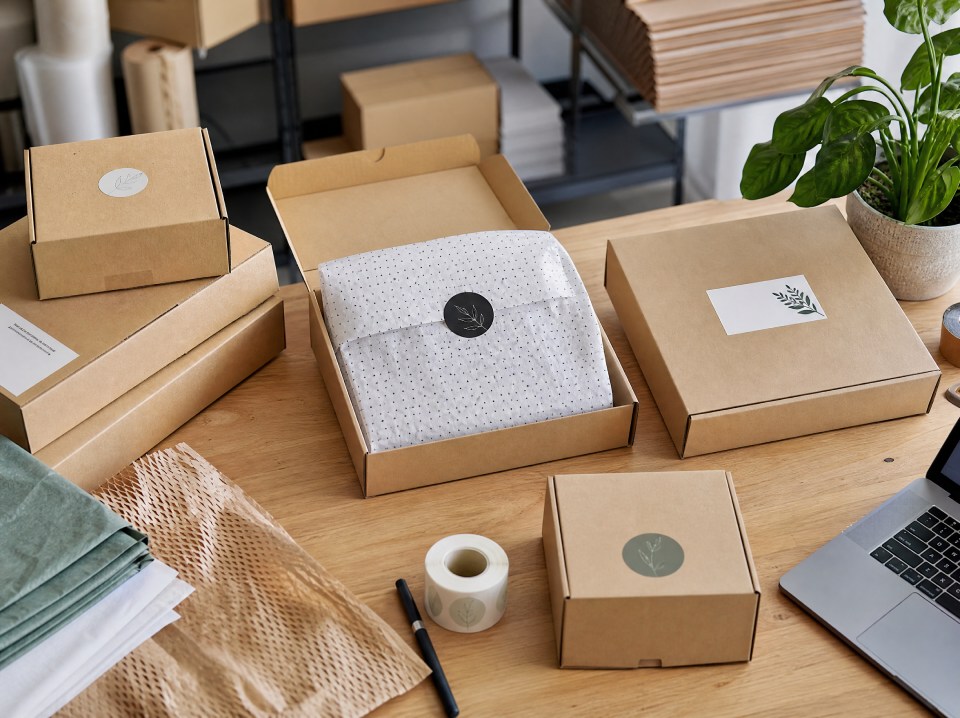
Custom box stickers offer a simple alternative. A standard shipping box can be turned into branded packaging with a sticker carrying a logo, business name, short message, or other design element. This gives businesses more flexibility without requiring them to replace their entire packaging inventory.
One reason stickers work well for e-commerce packaging is that they are easy to adapt. A business may use one design for its regular orders and another for a holiday promotion or product launch. If the design changes later, there is no need to replace a large quantity of pre-printed boxes. The boxes can stay the same while the stickers change.
This can be useful for small online businesses in particular. A new brand may not know exactly how its packaging will look six months from now. It may introduce new products, change its logo, or test different marketing ideas. Ordering large quantities of custom boxes can make those changes more difficult. Using standard boxes with custom stickers allows a company to make smaller adjustments as it grows.
The placement of a sticker also gives businesses several options. A logo sticker can be placed on the outside of a shipping box to make the package easier to recognize. A smaller sticker can be used to seal tissue paper or product bags inside the box. Some businesses may also use stickers on promotional inserts, sample packaging, or product containers.
The design does not need to be complicated. In many cases, a recognizable logo and a consistent color scheme are enough. A short message can also work well, particularly when it supports the brand’s personality. The main goal should be consistency rather than adding as many elements as possible.
Packaging is also part of the customer’s first physical interaction with an online business. The customer may have seen a website, advertisement, or social media account before placing an order, but the package is what arrives at their door. A simple branded detail can help connect that physical experience with the company’s online identity.
For this reason, businesses should think about how packaging fits with their existing branding. The colors and typography used on a box sticker can match the company’s website, product labels, and other printed materials. When the same visual elements appear across different customer touchpoints, the overall presentation tends to feel more consistent.
Material selection is another consideration. Shipping packages can be exposed to moisture, friction, temperature changes, and handling during transportation. A sticker that looks good when applied may not perform the same way after several days in transit. Businesses should therefore consider the surface of the box, the expected shipping conditions, and the type of adhesive and material being used.
Vinyl stickers are one option for packaging applications where additional durability is useful. Paper-based stickers can also be suitable for certain indoor or short-term uses. The right choice depends on the packaging environment and the appearance the business wants to achieve.
Size matters as well. A sticker that is too large can make a small package look crowded, while one that is too small may not be noticeable. A simple logo sticker can work well when the goal is subtle branding, while a larger design may be appropriate when the sticker is intended to become a major part of the package’s appearance.
Businesses should also avoid placing decorative stickers over important shipping information. Addresses, barcodes, handling instructions, and other required labels need to remain visible and readable. A good packaging design considers both appearance and practical shipping requirements.
Custom box stickers can also make seasonal packaging easier. Instead of ordering holiday-specific boxes, for example, a business can add a seasonal sticker to its regular packaging. The same approach can be used for limited product launches, special promotions, customer appreciation campaigns, or other temporary events.
Another benefit is that stickers can be used across different packaging formats. A company may ship some orders in cardboard boxes and others in mailers or product bags. A consistent sticker design can help connect these different formats visually, even when the underlying packaging materials are not the same.
This flexibility does not mean stickers need to replace other forms of packaging. Custom boxes, printed labels, inserts, tissue paper, and other packaging components all have their own purposes. Stickers can simply be another tool within a broader packaging system.
For growing e-commerce businesses, that flexibility can be valuable. Packaging needs often change as a company adds products, enters new markets, or experiments with different branding. A packaging solution that can be updated without replacing everything can make those changes easier to manage.
Ultimately, effective e-commerce packaging does not always depend on expensive or complicated designs. A standard shipping box combined with a well-designed sticker can provide a practical way to add branding while keeping packaging flexible. For businesses that are still growing and testing their packaging strategy, that balance between branding, cost, and flexibility can be particularly useful.
Okaystickers
.