What to Check When a Can Seam Curing Oven Stops and Restarts
A stoppage on a three-piece can line can leave welded bodies between the seam coating station and the curing oven. When production resumes, a continuous stream of cans may look normal again even though some bodies passed through under different conditions. For a buyer specifying curing equipment, the useful question is how operators will identify and handle those bodies.
Map the locations where bodies can stop
Walk the proposed layout from the seam coating station to the oven discharge. Mark where a body can wait during a short upstream interruption, an oven stop, or a downstream backup. Record which conveyors stop together and which can continue running. The answer determines which bodies may need review when the line restarts.
Ask the supplier to show this sequence in the control description. Include a jam before the oven and a blocked discharge after it. The two events can create different groups of affected cans, even on the same line.
Define how the line identifies the affected cans
A restart procedure should explain how the operator locates the first and last bodies exposed to the interruption. That may involve a controlled discharge, a marked collection point, or a record from the line controls. Agree on a fallback if the exact boundary cannot be established. Make sure the packaging or inspection team can distinguish held material from bodies released for further processing.
Verify curing with the actual coating and can formats
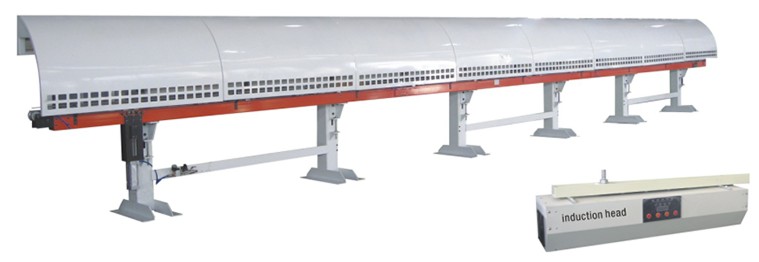
Golden Eagle describes an induction curing oven for can body lines and notes that output depends on can diameter and height. Ask the supplier to demonstrate the agreed can formats and the actual seam coating under normal running and after a controlled interruption. Use the coating supplier’s requirements and the plant’s approved inspection method to judge the samples.
Agree on the sampling points before the trial. Include bodies from steady operation, bodies held during the interruption, and the first bodies through after restart. Record the line state for each sample so the findings can be tied back to the operating sequence.
Make the restart trial part of acceptance
Before signing off the equipment, have an operator run through the restart procedure with the supplier. Check whether the controls clearly show why the line stopped, whether affected cans can be separated, and whether the operator can tell when normal production may resume. Record the agreed actions in the handover documents so both production and quality teams can apply the same process.
Image credit: Golden Eagle Can Machinery, induction curing oven product page.
Golden Eagle
.