Choosing a Pet Food Production Line in China for Soft Meat Treats
A soft meat treat can look simple in the bag. It has a neat shape, an appealing surface, and a texture the development team has carefully chosen. Keeping those qualities consistent through forming, cooking, cutting, and packing takes more thought.
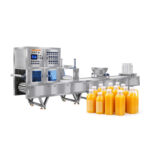
For a manufacturer planning this type of product, Longer Machinery’s Automatic Steamed Pet Food Production Line is a relevant option to investigate. The company describes a process that takes frozen meat through preparation, mixing, forming, steam cooking, cooling, cutting, and packaging. The useful question is how those operations work together for the particular treat you want to sell.
Describe “soft” in a way everyone understands
Softness means different things to different people. Your sales team might picture a strip that bends without breaking. Your production team may be thinking about a piece that holds its shape during handling.
Bring a reference sample to the discussion, along with the finished dimensions and intended packaging. Explain how the customer will use it: served whole, broken into smaller portions, or mixed with other food.
If you are sourcing a pet food production line in China, a reference sample gives suppliers a clearer target than descriptions such as “premium” or “high quality.” It also helps your own team agree on what an acceptable product looks and feels like.
Give forming and cutting equal attention
Longer’s Automatic Steamed Pet Food Production Line includes forming equipment with replaceable moulds, followed by steam cooking, cooling, and cutting. Its product page describes several possible shapes, including strips and round pieces.
That range is a starting point for discussing your design. A strip needs an agreed width and thickness, while a small piece also needs a consistent cut length. Those dimensions belong in the proposal early.
During a demonstration, follow the same product through each stage. Compare the formed material with the cooked and cut pieces. Note where adjustments are made and whether they affect the final appearance. This tells you more than a tray of carefully selected samples.
Think about how the treat reaches the bag
A product can meet your texture target and still need careful handling before packing. Transfers, collection points, and portioning all deserve attention.
Show the supplier your intended pack size and presentation. Do you want loose pieces, arranged strips, or portions in a tray? The answer helps define what must happen after cutting.
If packaging equipment will come from another supplier, arrange a shared review of the connection. Both sides need the same information about product dimensions, condition, and delivery method. Each conveyor, transfer point, and control connection should have an identified supplier.
Compare samples under agreed conditions
Freshly collected samples are useful, but your team also needs a consistent way to evaluate them. Agree when samples will be examined and how they will be handled before comparison.
Keep the recipe, preparation method, forming settings, and processing record with each sample set. Otherwise, a promising result can be difficult to repeat.
Your quality team should define the necessary testing and storage assessment. An equipment trial helps establish process suitability; nutritional positioning, feeding claims, and shelf life require their own evidence.
Picture the line during an ordinary shift
The proposed equipment needs to make sense to the people running it. Mixing, mould changes, cutting adjustments, and cleaning should all be part of the discussion with your production team.
For Longer’s steamed line, the decision comes back to the reference treat. Can the proposed arrangement form it, cook it, cut it, and deliver it to packaging in the condition you want? A documented trial and a clear delivery scope make that question much easier to answer.
朗格机械
.