How Non-Woven Folding Machines Fit Into Disposable Towel and Wipe Packaging Lines
Disposable towels, facial cleansing towels and kitchen wipes may look like simple folded products, but their production depends on stable converting between raw roll material and the final packed format. For manufacturers planning a new line, the folding section is often where product quality, output stability and downstream packaging efficiency are decided.
A non-woven folding machine is used to unwind jumbo rolls, guide the web under controlled tension, fold the material to the required size, cut it into pieces, count the output and deliver a stack that can move into manual or automatic packaging. In a well-designed line, the machine is not only a folding device. It is the link between raw material selection, product format and the final pack presentation.
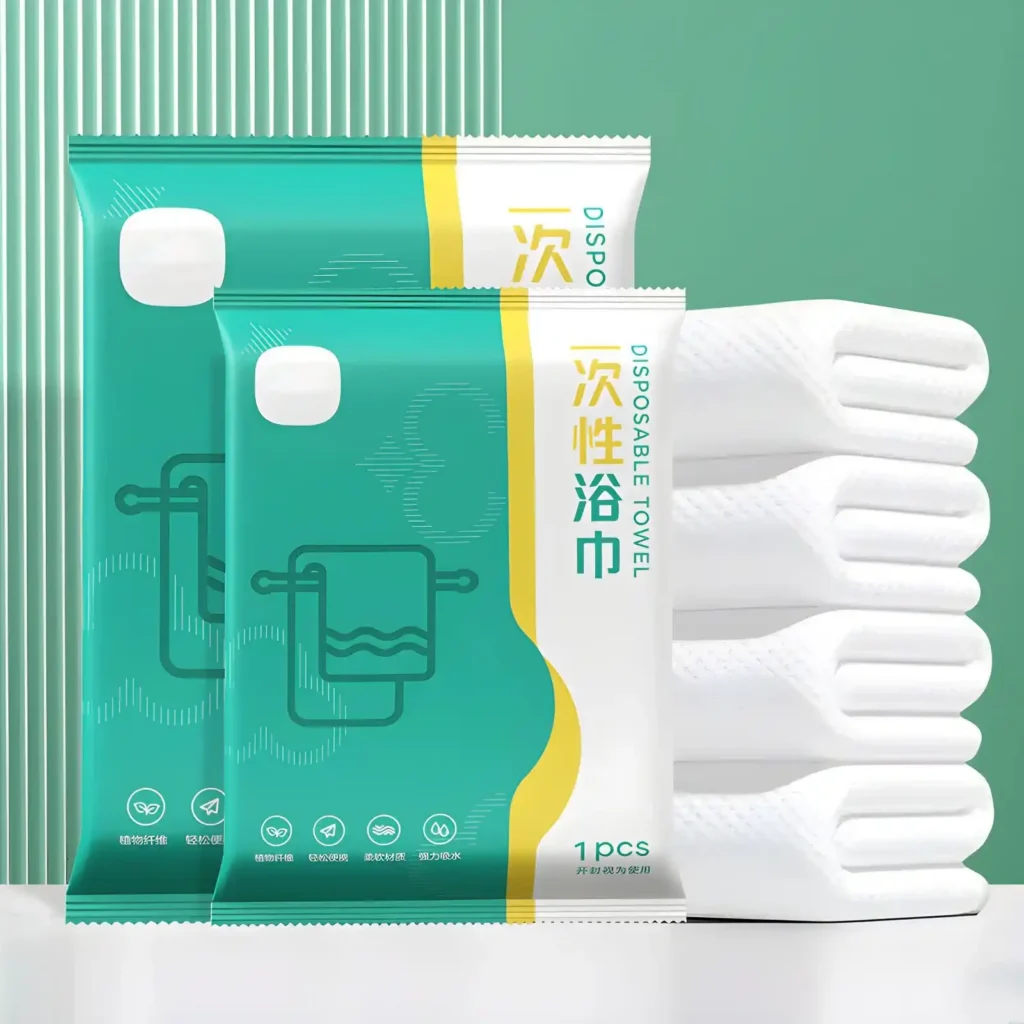
One of the first engineering decisions is fold size. Facial cleansing towels usually require a compact and clean folded format, because the product is often sold in retail packs where appearance and hand feel matter. Kitchen wipes may need a larger working area and a fold that opens quickly during use. Disposable bath towels need more material width and stronger tension control, because the product is larger and the finished stack can become unstable if the web is not guided evenly.
Material behavior also matters. Spunlace non-woven fabric, airlaid material and other soft substrates can stretch, wrinkle or drift during high-speed operation. If the unwinding and correction system is weak, the final product may show uneven edges, inaccurate folding or inconsistent sheet counts. For this reason, manufacturers should look at the full web path rather than judging the machine only by nominal speed.
A practical production line normally includes automatic tension control, edge guiding, folding plates or folding rollers, cutting and counting systems, and a delivery section matched to the packaging method. Touchscreen operation and recipe storage are also useful when one factory produces several sizes on the same equipment. The goal is fast changeover without losing the first batches after adjustment.
Packaging integration is another important point. A beautiful folded product still creates production pressure if the stack is difficult to transfer, too loose for bagging, or inconsistent in height. When evaluating a folding machine, factories should check whether the stack output matches the next process, such as flow wrapping, bagging, cartoning or manual collection. The best result is a line where folding, counting and packaging work as one continuous process.
For export-oriented manufacturers, flexibility is increasingly important. Retailers and private-label buyers may ask for different towel sizes, sheet counts, pack styles and materials. A production line that supports adjustable fold width, accurate cutting and reliable counting gives the manufacturer more room to accept different orders without buying a separate machine for every format.
Maintenance and service should also be part of the buying decision. Folding machines handle soft materials at high speed, so knives, belts, sensors and guiding parts must remain accessible. A machine that is easy to inspect and adjust can reduce downtime and make operator training easier. Stable after-sales support is especially important when the line is installed far from the manufacturer.
ZXJ Machinery shares more technical notes about non-woven folding, disposable towel production and related converting equipment in its machinery blog: https://www.zxjmachinery.com/blog/
In short, the folding machine should be selected according to the finished product, not only according to catalog speed. Material type, fold size, stack quality, packaging connection and service support all decide whether the line can run profitably in real production.
ZXJ Machinery
.